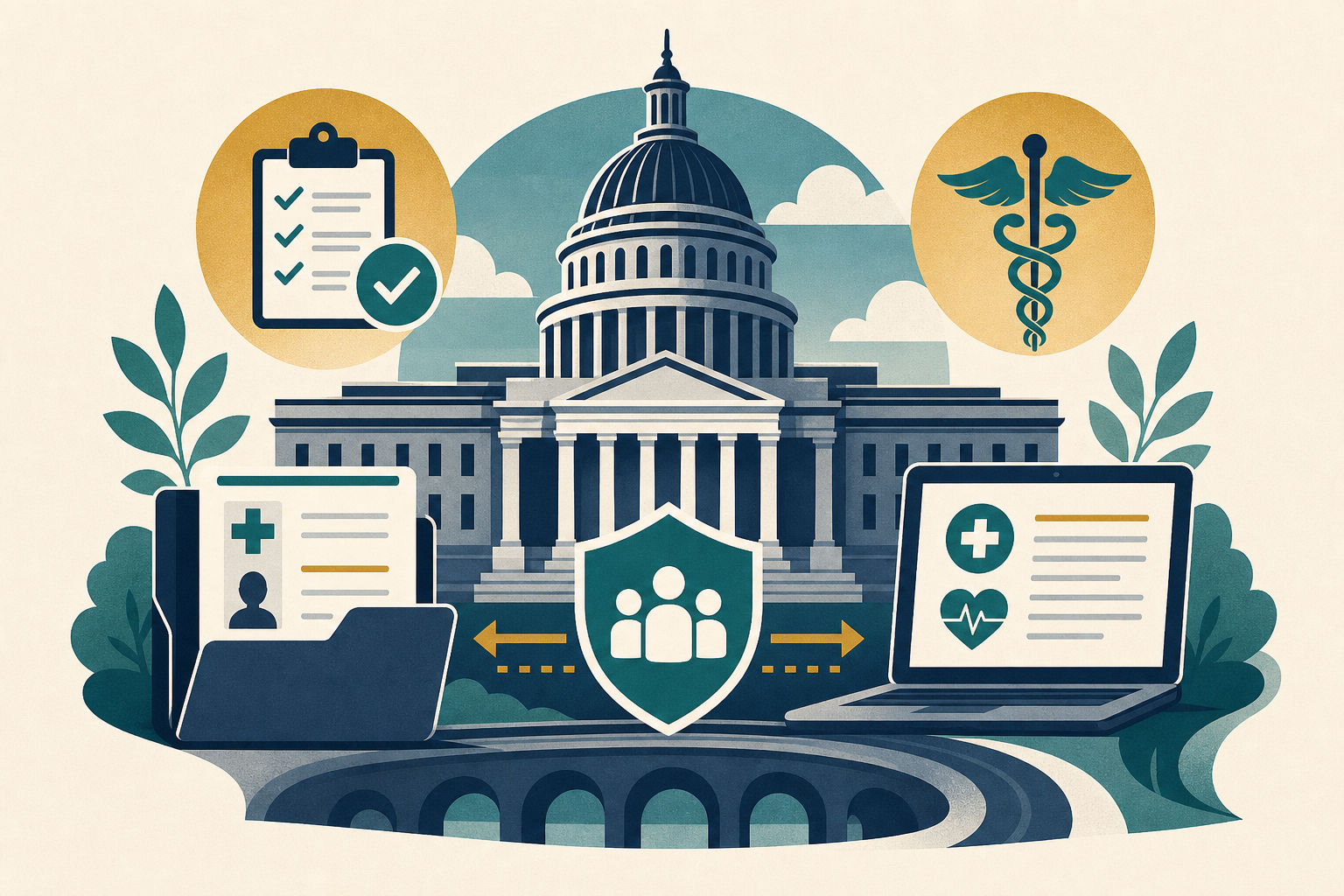
The Social Security Administration (SSA) is leveraging technology to improve the efficiency of its disability claims processing. According to Government Executive, the agency has expanded its electronic health record (EHR) sharing capabilities, allowing it to access complete and structured medical records in seconds or minutes. This development is expected to significantly reduce the time required to adjudicate disability claims, marking a notable advancement in governmental operations.
Streamlining the Disability Claims Process
The disability claims process has historically been plagued by delays, often taking months or even years for claimants to receive a decision. The introduction of electronic health record sharing represents a pivotal step in addressing these delays. By accessing comprehensive medical records swiftly, the SSA can evaluate claims more quickly and accurately, ensuring that those who are eligible for disability benefits receive them in a timely manner.
The integration of EHRs into the claims process is part of a broader push towards modernization within federal agencies. As the need for efficient government services grows, adopting advanced technologies becomes increasingly crucial. The SSA's move aligns with this trend, reflecting a commitment to leveraging digital tools to improve service delivery and operational efficiency.
Implications for Claimants and Healthcare Providers
For claimants, this development means quicker access to the benefits they need, reducing the financial and emotional stress associated with prolonged waiting periods. The ability to adjudicate claims faster not only enhances the claimant experience but also allows the SSA to manage its resources more effectively, potentially reducing administrative costs over time.
Healthcare providers also play a critical role in this new system. By ensuring that medical records are complete, accurate, and accessible in digital formats, providers can contribute to the efficiency of the claims process. This collaboration between healthcare providers and the SSA is crucial for realizing the full potential of electronic health record sharing.
Challenges and Opportunities
While the benefits of this technological advancement are clear, challenges remain. Ensuring data security and privacy is paramount, as the SSA handles sensitive personal information. The agency must employ robust cybersecurity measures to protect claimants' data from breaches and unauthorized access.
Moreover, the successful implementation of this system requires training and adaptation within the SSA. Staff must be equipped to use new technologies effectively, necessitating ongoing education and support.
Despite these challenges, the expansion of electronic health record sharing presents significant opportunities for innovation in government services. The potential for improved efficiency, accuracy, and claimant satisfaction positions the SSA as a leader in the digital transformation of federal agencies.
Broader Impacts on Government Operations
This initiative by the SSA highlights a growing trend towards digital transformation in government operations. By adopting advanced technologies, agencies can enhance their service delivery, cut costs, and improve overall efficiency. The SSA's efforts serve as a model for other government entities seeking to modernize their processes and better serve the public.
Overall, the expansion of electronic health record sharing marks a significant step forward in the SSA's mission to provide timely and effective support to individuals with disabilities. As the agency continues to refine and expand its use of technology, it sets a precedent for innovation and improvement across federal services.
In conclusion, the Social Security Administration's adoption of electronic health record sharing is a crucial development in the realm of government operations. By reducing the time required for disability claims adjudication, the SSA is enhancing its ability to serve the public efficiently and effectively. This advancement underscores the importance of technology in transforming how government agencies operate, providing a blueprint for future innovations in public service delivery.