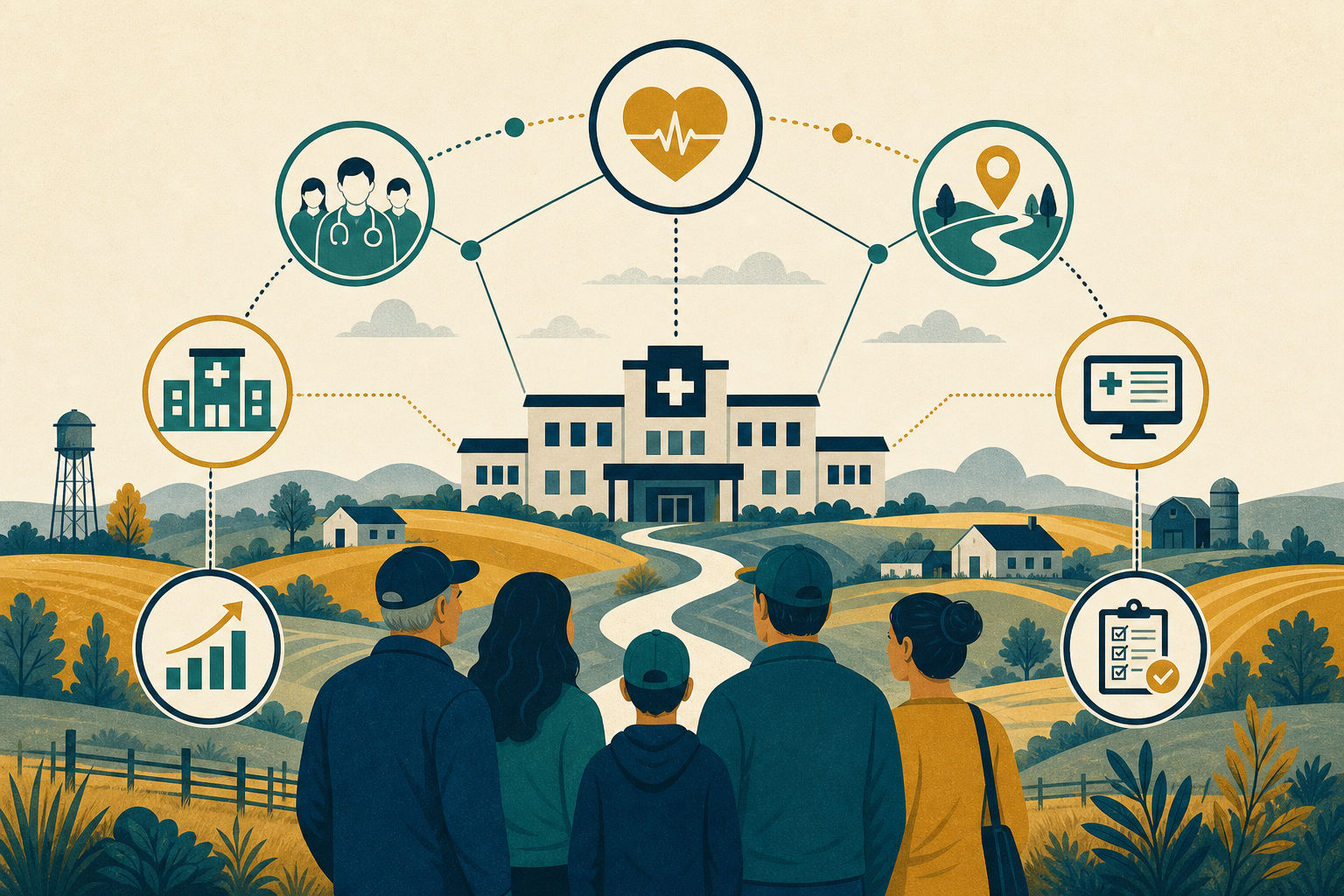
In recent years, healthcare policy has taken center stage in political discourse, particularly under the Make America Healthy Again (MAHA) movement spearheaded by former President Donald Trump. However, a recent survey conducted by KFF Health News in collaboration with the Associated Press reveals a significant disconnect between these policies and their impact on rural communities. As the nation grapples with healthcare challenges, understanding the on-the-ground realities faced by these communities is crucial.
Understanding the MAHA Movement
The Make America Healthy Again movement was introduced as a comprehensive approach to overhaul the nation's healthcare system. Its objectives include expanding healthcare access, reducing costs, and improving the quality of care across the United States. Former President Trump's administration prioritized these initiatives, promising sweeping changes that would enhance the healthcare landscape for all Americans, including those in rural areas.
Despite these ambitious goals, the survey conducted by KFF Health News and the Associated Press paints a different picture. Rural voters, who were a significant demographic in Trump's electoral base, report that the policies championed by the MAHA movement have not significantly altered their healthcare realities. This disconnect raises important questions about the reach and implementation of national health policies in less urbanized regions.
The Survey Findings
The survey highlights a growing concern among rural voters who feel that the benefits of national health policies have not been realized in their communities. Many respondents express frustration over persistent issues such as limited access to healthcare facilities, high medical costs, and insufficient health insurance coverage. These challenges are compounded by the geographical and economic barriers that rural residents often face.
According to the survey, a substantial number of rural voters believe that their healthcare needs remain unmet despite promises of improvement. This sentiment is particularly pronounced in areas where healthcare infrastructure is sparse, and medical professionals are few and far between. The survey results suggest a need for more targeted efforts to bridge the gap between policy intentions and local realities.
Implications for Rural Healthcare
The findings of this survey carry significant implications for policymakers and healthcare providers. In order to address the concerns of rural communities effectively, there is a need for policies that are not only comprehensive but also adaptable to the unique challenges faced by these areas. This includes investments in telehealth infrastructure, incentives for healthcare professionals to work in rural settings, and tailored insurance plans that cater to the specific needs of rural populations.
Furthermore, the survey underscores the importance of involving rural communities in the policy-making process. By doing so, policymakers can ensure that the voices of these communities are heard, and their needs are adequately addressed. This participatory approach could lead to more effective and inclusive healthcare solutions that resonate with rural voters.
Looking Ahead
As the nation moves toward future elections, healthcare will undoubtedly remain a pivotal issue. The findings of this survey serve as a reminder that while national policies are essential, their success ultimately depends on their implementation at the local level. For rural communities, this means advocating for policies that consider their unique circumstances and challenges.
In conclusion, the survey conducted by KFF Health News and the Associated Press highlights a critical gap between national health policy intentions and the lived experiences of rural Americans. Addressing this gap requires a concerted effort from all stakeholders to ensure that the benefits of healthcare policies are felt by all, regardless of geographic location. As the nation continues to navigate the complexities of healthcare reform, rural communities must remain a central focus in the pursuit of a healthier America.