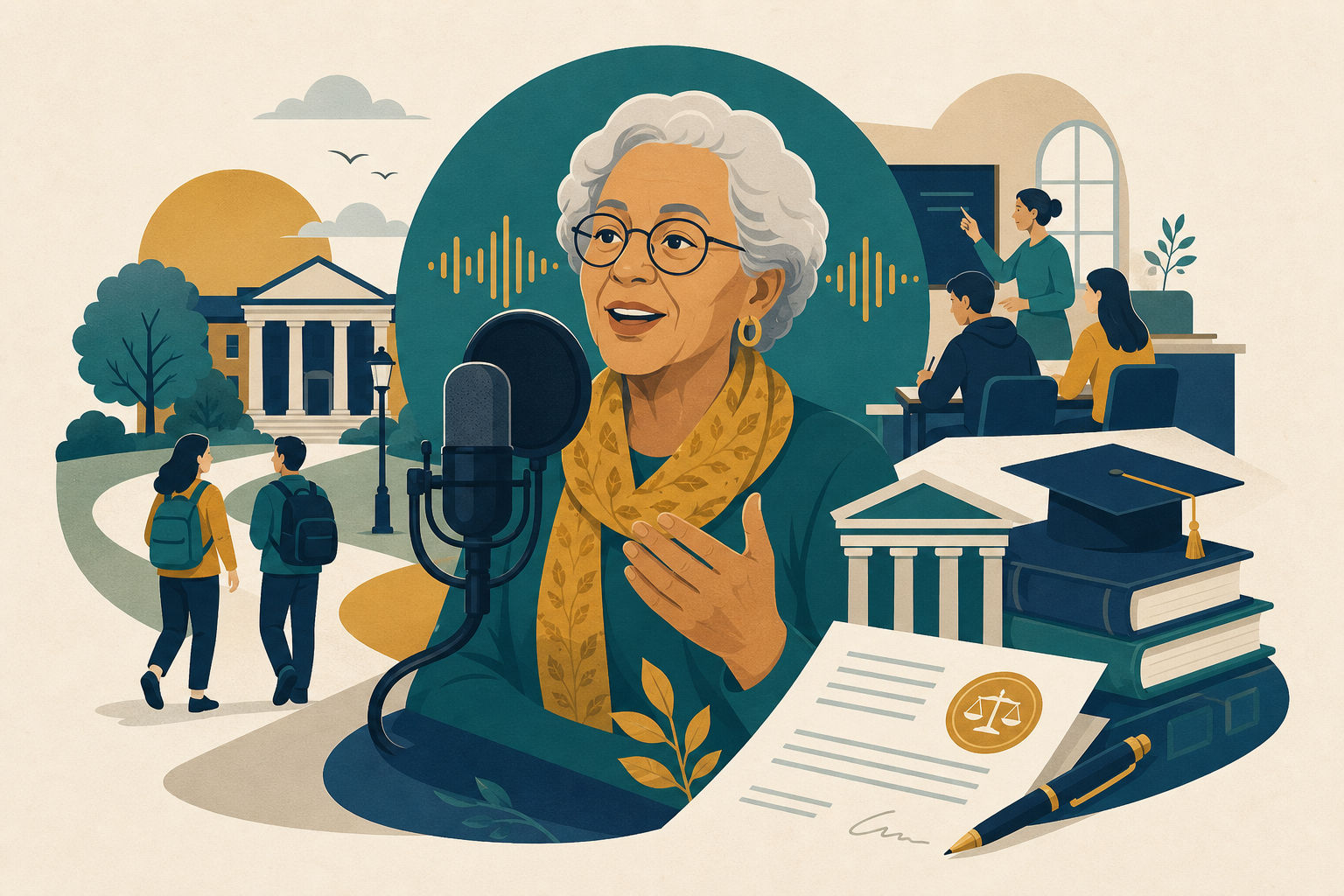
This fall, NPR is embarking on an inspiring initiative to bring the rich narratives of senior individuals to a broader audience. The public broadcasting organization has announced a podcast challenge specifically targeting seniors aged 65 and older, inviting them to submit their personal stories in audio format. According to NPR, the best submissions will be aired, offering these voices an opportunity to resonate across the nation.
Encouraging Lifelong Learning and Storytelling
The initiative is part of a broader effort to empower seniors to engage in digital storytelling and podcasting, fields that have largely been dominated by younger generations. This challenge not only provides a creative outlet for older adults but also serves as a form of lifelong learning, promoting new skills in audio production and storytelling. By participating, seniors can enhance their technological proficiency, an increasingly valuable asset in today's digital world.
Bridging Generational Gaps
Podcasts have become a popular medium for sharing diverse perspectives, and NPR's challenge aims to bridge the generational gap by showcasing the wisdom and experiences of an older demographic. As society rapidly evolves, seniors possess unique insights into historical events, personal growth, and the evolution of cultural norms. Sharing these stories can foster intergenerational understanding and appreciation.
Educational Implications
For educational institutions and community organizations, this challenge represents a significant opportunity to integrate audio storytelling into programs for seniors. By encouraging participation, these organizations can enhance their educational offerings, providing seniors with new avenues for expression and connection. The initiative aligns with broader educational goals of inclusivity and diversity, ensuring that all voices have the opportunity to be heard.
Impacts on the Media Landscape
NPR's podcast challenge also highlights the evolving media landscape, where traditional narratives are being redefined by diverse voices. As more seniors contribute their stories, media outlets are encouraged to consider inclusivity in content creation, reflecting a wider spectrum of human experience. This initiative could inspire other media organizations to adopt similar approaches, further diversifying the types of stories shared with the public.
Moreover, the challenge may stimulate interest in audio production among seniors, potentially leading to increased participation in media-related fields. This could pave the way for more senior-led content, enriching the media space with perspectives that might otherwise remain unheard.
Conclusion: A Platform for Empowerment
NPR's senior podcast challenge is more than just a call for submissions; it is a platform for empowerment. By giving seniors a voice, NPR is not only acknowledging the value of their experiences but also encouraging active participation in media creation. This initiative underscores the importance of inclusivity in storytelling and offers a valuable learning opportunity for seniors across the nation.