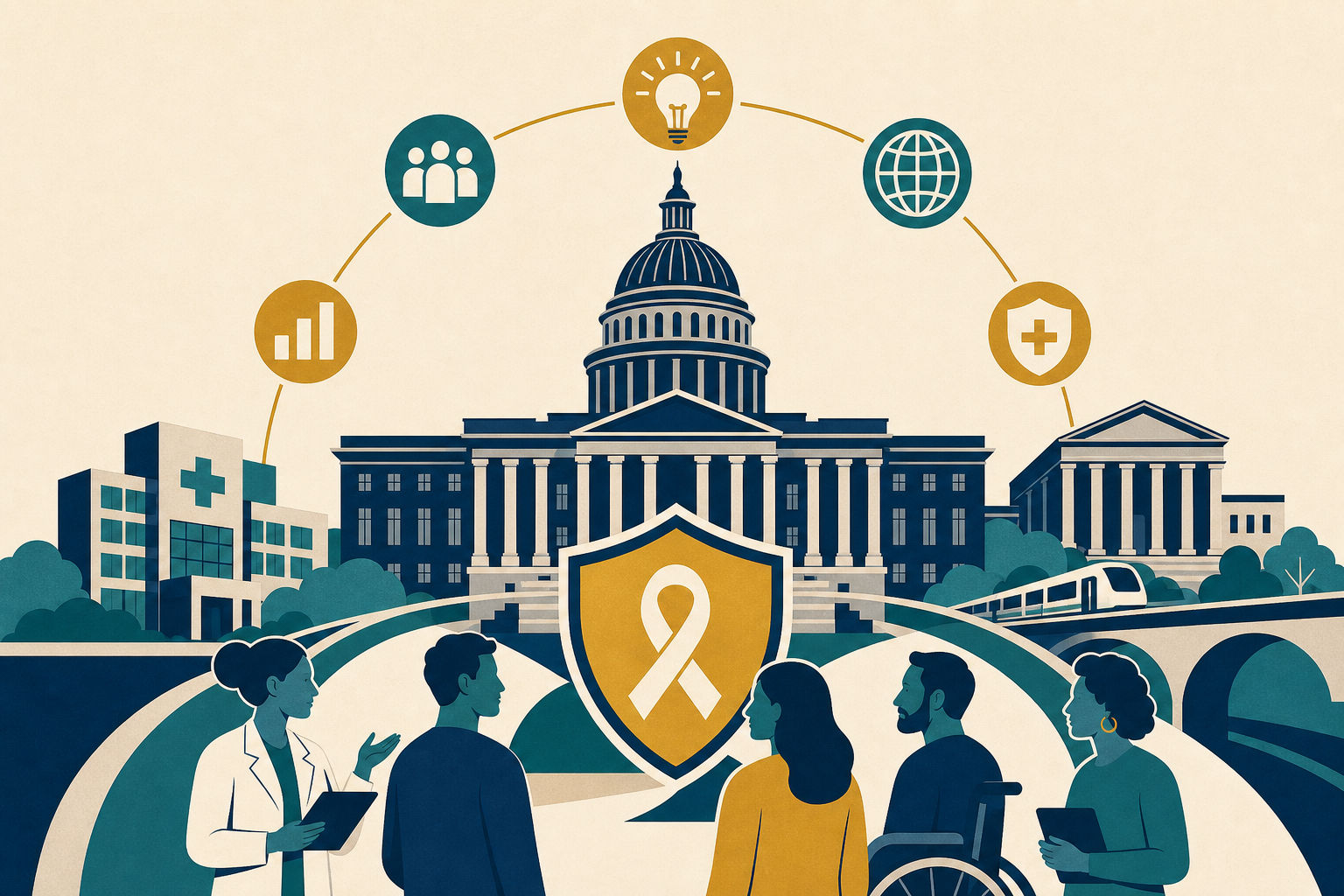
The National Institutes of Health (NIH) is making a bold move to tackle the ongoing challenge of HIV prevention and treatment. In an effort to broaden the scope of innovation, the agency is offering a substantial reward of $1 million for practical ideas that can enhance the reach of long-acting HIV prevention and treatment measures. Importantly, this initiative is open to individuals beyond the traditional research community, reflecting a growing trend in governmental agencies to seek solutions from a wider array of sources.
Breaking Traditional Barriers
Historically, federal agencies have relied heavily on established researchers and institutions for tackling complex health issues. However, the NIH's current approach represents a significant shift in strategy. By inviting ideas from a more diverse pool of contributors, the agency not only democratizes the innovation process but also potentially uncovers unique solutions that might otherwise remain untapped. This open-call strategy aims to harness the creativity and expertise of individuals who, despite lacking conventional research backgrounds, possess valuable insights into public health challenges.
Encouraging Broad Participation
The $1 million prize is designed to be an attractive incentive for participation. The NIH's call for ideas is not restricted to seasoned scientists or healthcare professionals; instead, it is open to anyone with a viable proposal. This inclusivity aims to foster a broader spectrum of ideas, encouraging participation from technologists, community workers, and other non-traditional contributors who might offer fresh perspectives on longstanding issues.
According to Government Executive, this method of sourcing ideas aligns with a wider governmental trend of employing open innovation models. These models are increasingly popular as they allow agencies to tap into the collective intelligence of a larger, more varied community. The potential benefits include greater creativity, faster development of solutions, and more cost-effective problem-solving strategies.
The Implications for Policy and Health
The implications of such initiatives extend beyond the immediate goal of improving HIV prevention. By adopting a more inclusive approach, federal agencies like the NIH can set a precedent for how other public health challenges are addressed. This could lead to a paradigm shift in policy development, where diverse input is routinely sought and valued, ultimately leading to more effective and equitable health solutions.
Additionally, this approach could stimulate career mobility and workforce development in the health sector. As more individuals are encouraged to contribute ideas, the boundaries of who can participate in health innovation are expanded. This not only enriches the pool of available solutions but also provides new professional opportunities for those outside traditional paths.
Looking Ahead
As the NIH moves forward with this initiative, it will be crucial to establish clear criteria and evaluation processes to assess the proposed ideas. Transparency in selection and implementation will be key to maintaining the integrity and effectiveness of the program. Moreover, the success of such initiatives could inspire other governmental bodies to adopt similar strategies, potentially revolutionizing the way public health issues are addressed in the future.
In conclusion, the NIH's innovative approach to sourcing solutions for HIV prevention is a promising development in the realm of public health and policy. By opening the floor to diverse contributors, the agency not only stands to gain novel insights but also promotes a more inclusive, collaborative approach to health innovation. This initiative reflects a broader trend toward open innovation in government, with the potential to reshape the landscape of public health policy for the better.