It is August 2026, and the sweltering heat of the campaign trail is matched only by the friction of a transforming American labor market. As the midterm elections loom less than a hundred days away, Republican strategists find themselves staring at a demographic puzzle. The party that once championed unfettered free markets and corporate tax cuts is now aggressively courting a blue-collar workforce deeply anxious about automation, inflation, and the creeping obsolescence of the college degree. Welcome to the new conservative populism—where the high-vis vest has officially replaced the quarter-zip fleece as the ultimate political prop.
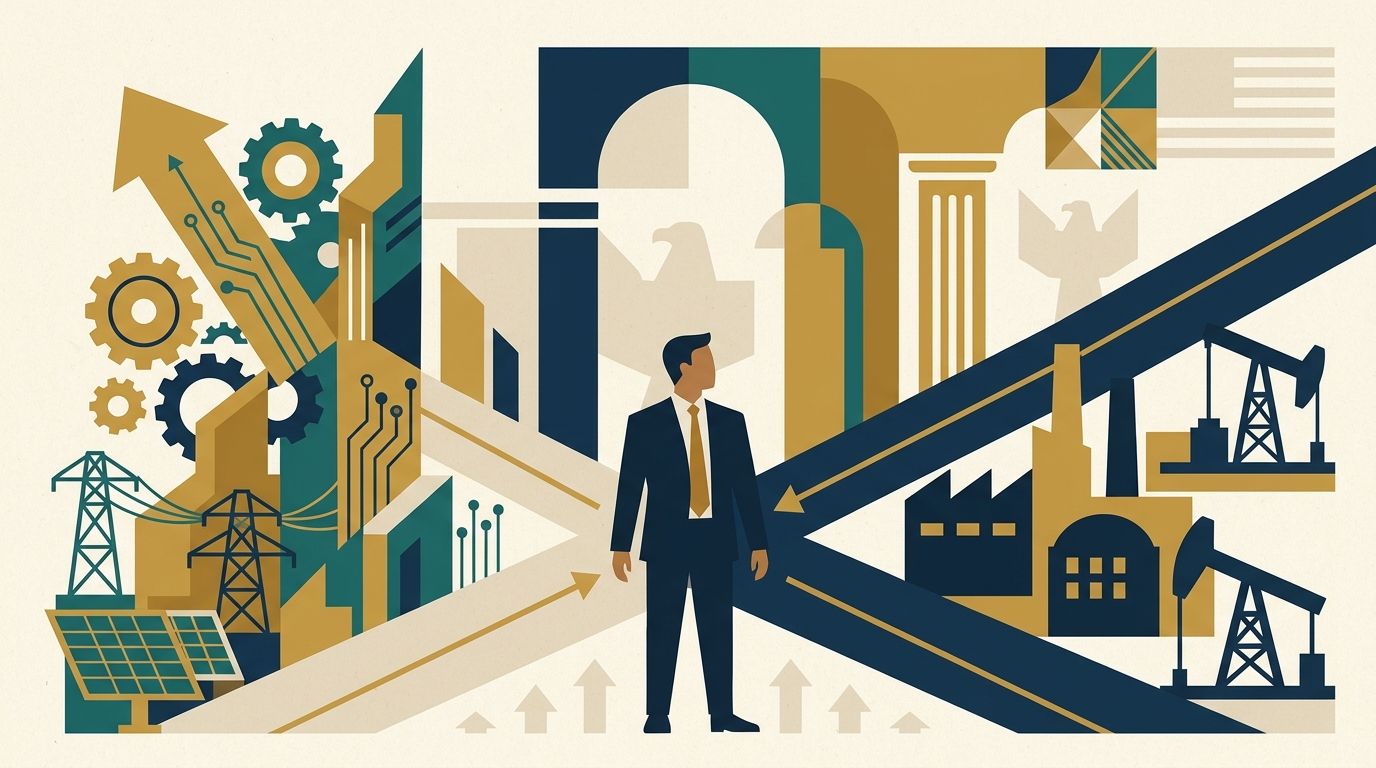
To understand the Republican playbook for 2026, one must look at the shifting tectonic plates of the American workforce. We are standing at a profound crossroads. Generative AI is quietly hollowing out entry-level white-collar roles, while a desperate shortage of skilled tradespeople threatens to throttle domestic manufacturing and infrastructure projects. The GOP has astutely recognized that the anxieties of the modern worker are no longer strictly partisan; they are existential.
"The Republican Party is no longer the rubber stamp for the Chamber of Commerce," notes Sarah Jenkins, a political economist at the Potomac Institute for Labor Policy. "They have spent the last six years completing a demographic realignment with the working class. The challenge for these midterms is proving they actually have a policy apparatus to support those workers, rather than just sharing their cultural grievances."
Indeed, the rhetoric on the trail is evolving. Rather than strictly attacking regulatory overreach, GOP candidates in competitive districts from Ohio to Arizona are pitching a robust—if somewhat unorthodox—workforce agenda. Central to this platform is the aggressive championing of vocational training and apprenticeships over traditional four-year university degrees. By framing higher education as an overpriced incubator for elite ideology, Republicans are positioning skills-based hiring as both a cultural victory and an economic imperative.
For executives and workforce professionals, this shift is more than mere election-year theater. It signals a potential bipartisan consensus on the horizon. If Republicans capture the Senate or expand their House majority, corporate America can expect intense legislative pressure to abandon degree requirements for federal contractors and a push to redirect federal education subsidies toward trade schools and credentialing programs.
Yet, the GOP’s new workforce coalition is fragile, bound together by a precarious alliance between traditional small-business owners and populist union-skeptics. The tension is palpable. Small businesses want cheaper, more flexible labor, while the populist wing is demanding higher wages and strict protectionism against both foreign trade and, increasingly, foreign talent. The H-1B visa program, long the darling of Silicon Valley and corporate executives, is squarely in the crosshairs of conservative candidates who argue that importing tech workers undercuts American wages.
Furthermore, the GOP finds itself wrestling with the specter of artificial intelligence. While the old Republican orthodoxy would have embraced AI as an engine of productivity and capital efficiency, the 2026 iteration is treading carefully. "You cannot be the party of the forgotten worker while cheering for software that replaces them," quips Marcus Vance, a veteran Republican pollster. "You are seeing candidates quietly suggest AI guardrails in healthcare and logistics, which is a fascinating pivot for a party that traditionally abhors market intervention."
This ideological tightrope is defining the midterm landscape. The party is essentially trying to construct a conservative labor movement—one that favors the worker but remains deeply suspicious of organized labor bosses. They are pushing for legislation that enables flexible, independent contracting, attempting to appeal to the growing gig economy and the increasing number of Americans who prefer the autonomy of freelance work over the rigidity of W-2 employment.
As November approaches, the political calculus is clear. The Republicans are betting that the American workforce cares less about macroeconomic indicators and more about microeconomic security—the stability of their specific trade, the value of their specific skills, and the affordability of their daily lives.
If this messaging succeeds, it will do more than just deliver a congressional majority. It will permanently rewrite the American political spectrum, forcing executives, educators, and policy leaders to adapt to a reality where the political right is just as likely to intervene in the labor market as the left. The 2026 midterms will not merely determine who holds the gavels in Washington; they will dictate the fundamental rules of engagement for the future of American work.