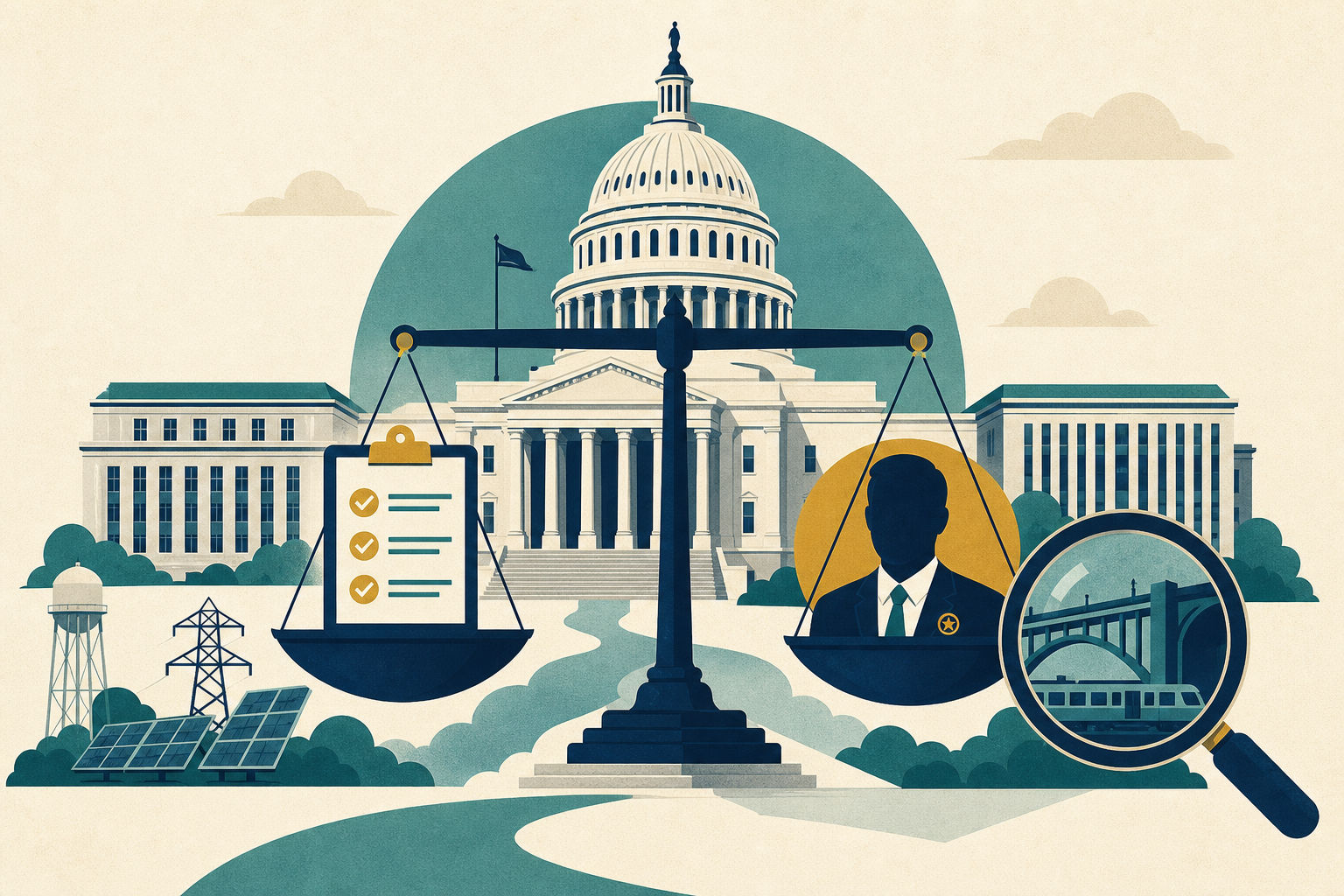
Unpunished Hatch Act Breaches by Senior Officials Raise Oversight Concerns
Federal employees face allegations of Hatch Act violations amid calls for accountability.
The Hatch Act, a key piece of U.S. legislation, aims to maintain the political neutrality of federal employees, ensuring that government operations remain free from political influence. However, recent developments highlight significant challenges in its enforcement. According to Government Executive, the Office of Special Counsel (OSC) has filed disciplinary complaints against two federal employees for apparent violations of this act. These complaints underscore ongoing concerns about the accountability of senior officials under this important law.
The Role of the Hatch Act
Enacted in 1939, the Hatch Act restricts federal employees from engaging in partisan political activities while on duty or in a federal workplace. Its primary goal is to prevent undue political influence in government operations, fostering a bureaucracy that operates based on merit rather than political allegiance. Despite its clear intentions, the act has been a subject of contention, often challenged by those who argue it infringes on free speech.
Recent Allegations and OSC's Response
The recent allegations involve senior Trump administration officials who, according to the OSC's complaints, engaged in political activities that contravened the Hatch Act. The OSC's decision to file complaints represents a critical step in addressing these alleged violations. However, these actions also raise questions about why accountability measures have seemingly lagged, as suggested by the good government group mentioned in the Government Executive article.
Challenges in Enforcement
Enforcing the Hatch Act is a complex process. The OSC, tasked with its enforcement, often faces hurdles such as political pushback and limited authority to impose penalties. Typically, the OSC can recommend disciplinary actions, but the decision to take such actions often lies with other entities, such as the Merit Systems Protection Board, which has been hampered by vacancies in recent years.
Implications for Government Accountability
The lack of timely penalties for alleged violations can undermine public trust in government institutions. When senior officials appear to evade accountability, it may suggest a double standard, where political connections shield individuals from consequences. This perception can be particularly damaging in a political climate where transparency and accountability are increasingly demanded by the public.
What This Means for Federal Employees
For federal employees, the enforcement of the Hatch Act is a reminder of the delicate balance they must maintain between personal political beliefs and professional responsibilities. The act serves as a guideline to ensure that government services are delivered impartially and without political bias. Nonetheless, the current situation highlights the need for clearer guidelines and consistent enforcement to uphold these principles effectively.
The Path Forward
Moving forward, it is crucial for government agencies to strengthen the mechanisms that uphold laws like the Hatch Act. This includes ensuring that enforcement bodies like the OSC are adequately equipped and supported to carry out their mandates. Furthermore, filling vacancies in oversight bodies such as the Merit Systems Protection Board can expedite the handling of complaints and enhance accountability.
Ultimately, maintaining the integrity of federal operations requires a committed effort from all levels of government to uphold laws designed to prevent political interference. As the OSC moves forward with these complaints, the outcome will likely serve as a bellwether for future enforcement actions and the broader commitment to government accountability.
Topics
Tags