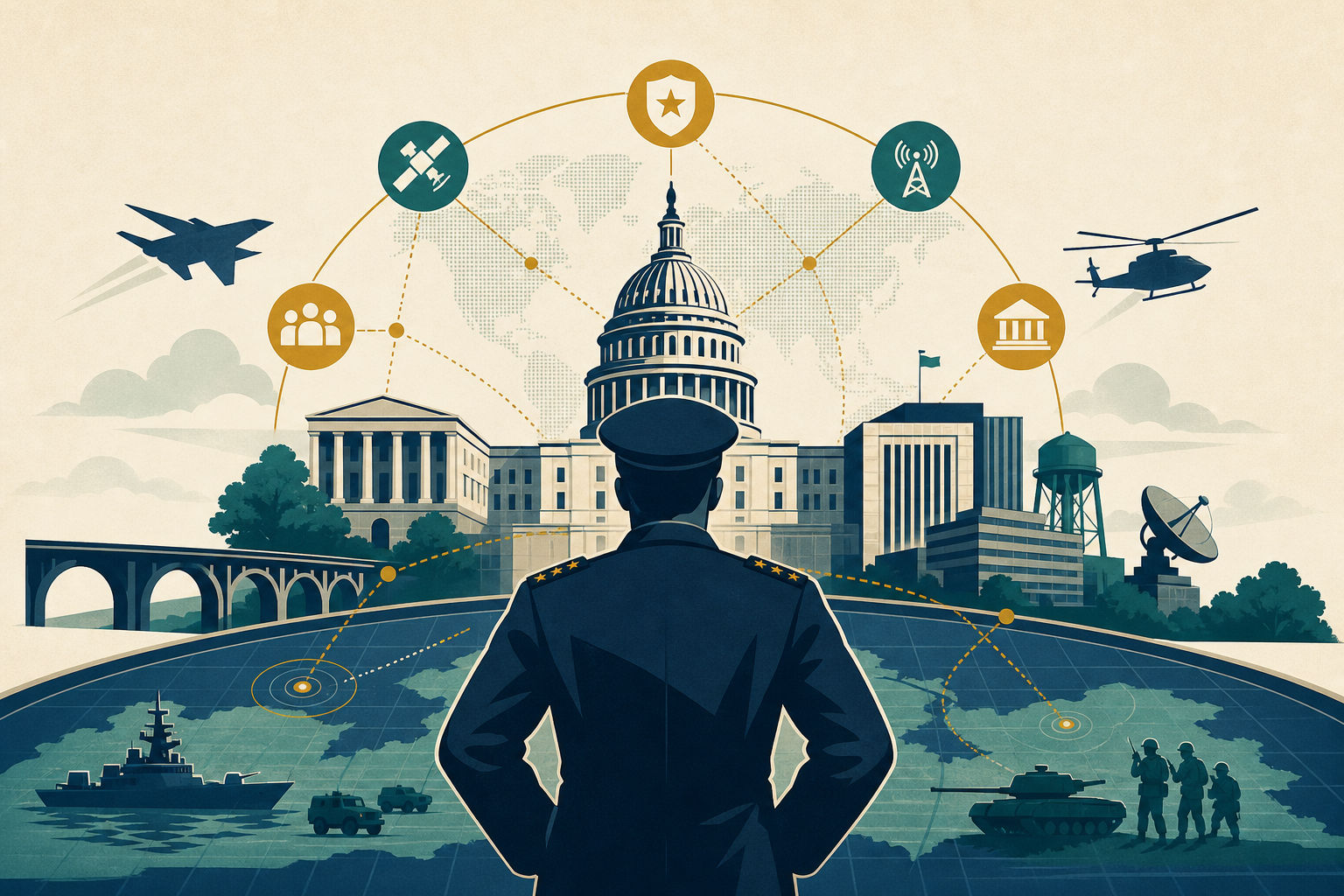
Enhancing Operational Visibility for Military Commanders
Improved battlefield visibility is crucial for effective military operations and decision-making.
Operational visibility in military contexts is more than just a logistical concern; it is a critical component of effective command and control. According to Federal News Network, commanders often struggle to have a complete understanding of their resources and their locations on the battlefield. This visibility gap can hinder decision-making and operational effectiveness, leading to suboptimal outcomes in mission-critical scenarios.
The Importance of Operational Visibility
In military operations, knowing the precise locations and statuses of troops, equipment, and supplies is crucial. This information allows commanders to make informed decisions and effectively allocate resources where they are most needed. The complexity of modern warfare, with its rapid pace and technological demands, only amplifies the need for accurate and timely operational visibility.
Operational visibility supports strategic planning and tactical execution, enabling military leaders to react swiftly to changing conditions on the battlefield. Without it, commanders may find themselves making decisions based on incomplete or outdated information, which can jeopardize the success of missions and the safety of personnel.
Challenges in Achieving Battlefield Visibility
Several factors contribute to the challenges commanders face in achieving comprehensive operational visibility. Technological limitations, such as inadequate communication systems and data integration issues, can impede the real-time tracking and reporting of resources. Additionally, the sheer scale of military operations, often spread across vast geographical areas, makes it difficult to maintain a clear picture of all assets at all times.
Another significant challenge is the operational environment itself. In conflict zones, the dynamic and often unpredictable nature of engagements can rapidly change the status and location of resources, further complicating visibility efforts. Moreover, adversaries may employ tactics designed to disrupt communication and tracking systems, further obscuring the operational picture.
Technological Solutions and Innovations
To address these challenges, militaries worldwide are investing in advanced technologies aimed at enhancing battlefield visibility. Innovations such as integrated sensor networks, unmanned aerial vehicles (UAVs), and satellite-based tracking systems are being developed to provide real-time data on troop movements and resource availability.
These technologies can offer commanders a more comprehensive and accurate picture of the battlefield, enabling better strategic decisions. For instance, UAVs can provide aerial surveillance over large areas, while sensor networks can monitor the status of equipment and supplies, sending updates back to command centers in real-time.
Policy and Implementation Considerations
While technological advancements are promising, their successful implementation depends on effective policy frameworks and inter-agency collaboration. Military organizations need to prioritize investments in technology that align with their strategic objectives and operational needs. Additionally, ensuring interoperability between different branches and allied forces is crucial for maximizing the benefits of enhanced visibility tools.
Training and adaptation are also critical components of implementing new technologies. Personnel must be adequately trained to use new systems effectively and adapt to changes in operational procedures that these technologies may necessitate.
The Broader Implications
Improving operational visibility has implications beyond immediate military objectives. It can enhance overall mission readiness and contribute to more efficient resource utilization, ultimately leading to cost savings and better outcomes. Furthermore, the lessons learned from military applications of visibility technologies can inform civilian sectors, such as disaster response and humanitarian aid, where resource management and situational awareness are similarly vital.
As military operations continue to evolve with the advent of new technologies and changing geopolitical landscapes, the pursuit of enhanced operational visibility will remain a priority. Commanders equipped with comprehensive visibility tools are better positioned to lead their forces effectively, ensuring mission success and safeguarding personnel.
In conclusion, operational visibility is a fundamental requirement for modern military operations. By addressing the visibility gap through technological innovations and strategic policy frameworks, militaries can enhance their operational effectiveness and readiness in an increasingly complex global environment.
Topics
Tags