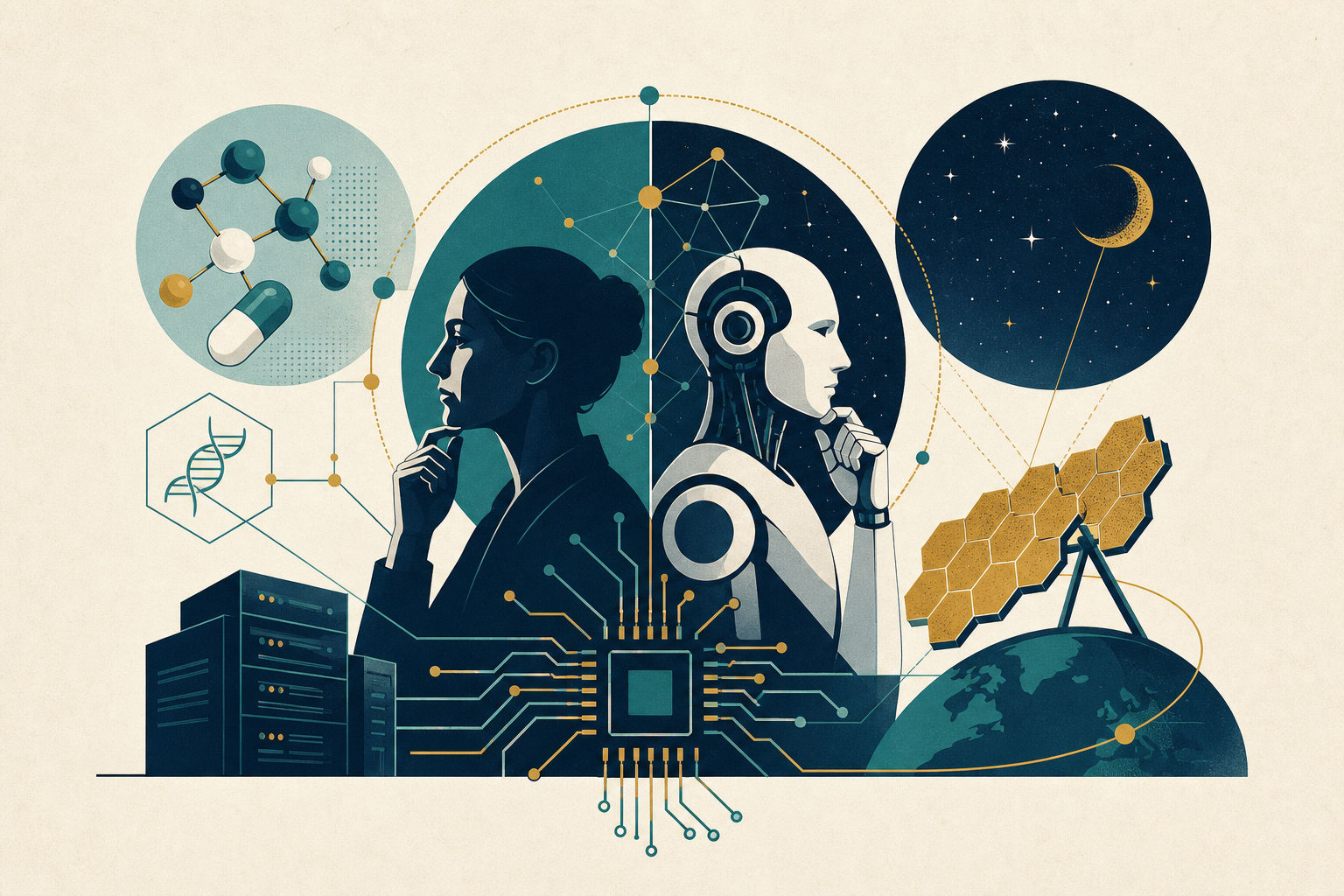
AI Innovations and Space Mirrors: Risks and Credits
Exploring the dual-edged nature of technological advances in AI and space tech
In the rapidly evolving landscape of technology and artificial intelligence, recent innovations are sparking both excitement and concern. According to MIT Technology Review, two key developments have captured the attention of industry experts: the potential environmental impact of space mirrors and the complexities of credit in AI-designed pharmaceuticals.
The Promise and Peril of Space Mirrors
A company has proposed deploying space mirrors to beam sunlight from space to Earth on demand. While the concept might sound like a groundbreaking solution for energy needs, it raises significant environmental and ethical concerns. The primary worry is the potential to permanently alter the natural night sky, impacting not only astronomical research but also the natural rhythms of wildlife and human circadian cycles.
Space mirrors are part of a broader category of geoengineering technologies aimed at manipulating the Earth's environment to counteract climate change. Proponents argue that such innovations could provide critical tools in managing global warming. However, detractors caution against unforeseen consequences and stress the importance of rigorous testing and regulatory oversight. The deployment of space mirrors, in particular, could necessitate new international agreements and guidelines to ensure that their benefits outweigh the potential risks.
AI in Drug Design: A New Frontier
Simultaneously, the field of pharmaceuticals is experiencing a revolution with the advent of AI-designed drugs. These drugs, created through sophisticated algorithms and machine learning, promise faster development times and potentially more effective treatments. However, they also introduce new challenges concerning intellectual property rights and the distribution of credit for breakthroughs.
Typically, drug development has been a labor-intensive process requiring years of research and development. AI tools can streamline this process by predicting molecular interactions and outcomes, significantly shortening the time to market. Yet, this rapid advancement poses a dilemma: who deserves the credit for these innovations? Is it the AI developers, the biotechnologists who apply the tools, or the companies funding the research?
This question is not merely academic. It has real-world implications for patent laws, research funding, and the distribution of profits. As AI continues to integrate into drug design, policymakers and industry leaders must collaborate to establish fair and transparent systems for recognizing and rewarding contributions.
Implications for the Future
Both the space mirrors and AI-designed drugs highlight a common theme in technology: the dual-edged nature of innovation. While these technologies hold great promise, they also require careful consideration of their broader impacts. Stakeholders across sectors, including policymakers, industry leaders, and researchers, must work together to navigate these challenges responsibly.
For professionals in the technology and AI sectors, these developments underscore the importance of ethical considerations and the need for proactive engagement in policy discussions. As these technologies move from theoretical concepts to practical applications, their implications will ripple across industries, influencing everything from environmental policy to healthcare access.
Ultimately, the success of these innovations will depend not only on their technical feasibility but also on the frameworks established to guide their development and deployment. By addressing these issues now, we can maximize the benefits of technological advancements while minimizing potential downsides.
Conclusion: Navigating a Complex Landscape
The stories of space mirrors and AI-designed drugs are emblematic of the complex landscape that technology professionals must navigate today. They remind us that with great power comes great responsibility. As we continue to push the boundaries of what is possible, it is crucial to remain vigilant about the potential consequences and to ensure that our pursuit of progress does not come at the expense of the planet or society.
Topics
Tags